
Understanding Steatotic Liver Disease: Symptoms, Risk Factors, and Prevention of Non-Alcoholic Fatty Liver
Introduction: Decoding Steatotic Liver Disease
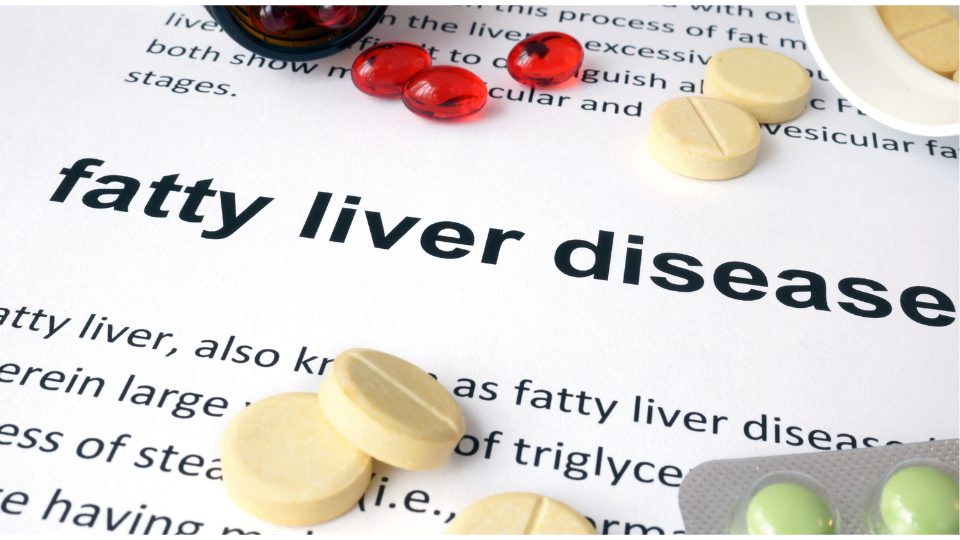
Steatotic Liver Disease, commonly known as Non-Alcoholic Fatty Liver Disease (NAFLD), is a prevalent condition characterized by excessive fat accumulation in the liver. Unlike alcoholic liver disease, NAFLD occurs in individuals who consume little to no alcohol, making it a significant health concern worldwide. In this article, we delve into the symptoms, risk factors, and prevention strategies associated with NAFLD, providing valuable insights for individuals seeking to safeguard their liver health.
Symptoms of Steatotic Liver Disease
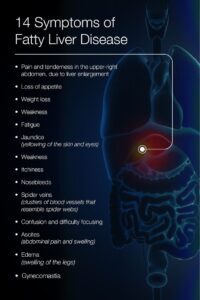
Steatotic Liver Disease often progresses silently, with many individuals remaining asymptomatic until the condition reaches advanced stages. However, some common symptoms and signs may manifest, including:
- Fatigue
- Abdominal discomfort or pain, particularly in the upper right side
- Elevated liver enzymes detected on routine blood tests
- Enlarged liver (hepatomegaly)
- Jaundice (yellowing of the skin and eyes)
Risk Factors for Steatotic Liver Disease
Several factors contribute to the development and progression of NAFLD, including:
- Obesity: Excess body weight, particularly abdominal obesity, is a significant risk factor for NAFLD.
- Insulin Resistance: Insulin resistance, often associated with obesity and type 2 diabetes, plays a crucial role in the pathogenesis of NAFLD.
- Unhealthy Diet: Consumption of a high-calorie, high-carbohydrate diet, especially rich in refined sugars and saturated fats, increases the risk of NAFLD.
- Sedentary Lifestyle: Lack of regular physical activity contributes to weight gain and exacerbates metabolic abnormalities associated with NAFLD.
- Genetic Predisposition: Certain genetic factors may predispose individuals to NAFLD, although lifestyle factors often play a predominant role.
Prevention Strategies for Steatotic Liver Disease
While NAFLD poses significant health risks, several preventive measures can help reduce the likelihood of its development or progression:
- Maintain a Healthy Weight: Aim for a healthy body weight through a balanced diet and regular physical activity. Incorporate whole foods, fruits, vegetables, lean proteins, and healthy fats into your diet while minimizing processed and high-calorie foods.
- Exercise Regularly: Engage in moderate-intensity exercise for at least 30 minutes on most days of the week. Physical activity helps improve insulin sensitivity, promote weight loss, and reduce liver fat accumulation.
- Limit Alcohol Consumption: While NAFLD primarily affects individuals who consume little to no alcohol, limiting alcohol intake is essential for overall liver health and disease prevention.
- Manage Chronic Conditions: Control underlying medical conditions such as obesity, diabetes, hypertension, and dyslipidemia through lifestyle modifications and, if necessary, medication management.
- Get Regular Check-ups: Schedule routine medical check-ups to monitor your liver health and assess risk factors for NAFLD. Discuss any concerning symptoms or abnormalities with your healthcare provider promptly.
Conclusion: Empowering Liver Health Through Awareness and Action
In conclusion, Steatotic Liver Disease, or Non-Alcoholic Fatty Liver Disease, presents a significant public health challenge with potentially severe consequences if left unchecked. By understanding the symptoms, risk factors, and preventive strategies associated with NAFLD, individuals can take proactive steps to protect their liver health and overall well-being. Through lifestyle modifications, including maintaining a healthy weight, engaging in regular exercise, and adopting a nutritious diet, individuals can mitigate their risk of developing NAFLD and promote optimal liver function for years to come.